


Recent Blog Posts
-

Chapter 7: Arrays and Strings
•
Introduction to Arrays Arrays in C are used to store multiple values of the same type in a single variable, which is useful when you need to manage a large number of related data items. Arrays provide a way to access and manipulate this data efficiently using index-based access. What…
-
Chapter 6: Functions
•
Introduction to Functions Functions are a fundamental building block in C programming. They allow you to encapsulate code into reusable blocks, making programs more modular, easier to read, and easier to maintain. Functions help break down complex problems into smaller, manageable tasks. By defining functions, you can write cleaner and…
-
Chapter 5: Control Flow Statements
•
Introduction to Control Flow Control flow statements in C are used to dictate the order in which statements are executed. They enable you to make decisions, repeat tasks, and jump to different parts of the code, making your programs more dynamic and efficient. Types of Control Flow Statements Decision Making…
-
Chapter 4: Operators and Expressions
•
Introduction to Operators Operators are special symbols in C that perform operations on variables and values. They are the foundation of expressions and help in performing various computations. Types of Operators C has several types of operators, including: Arithmetic Operators Arithmetic operators are used to perform mathematical operations. Basic Arithmetic…
-
Chapter 3: Variables and Data Types
•
Introduction to Variables Variables are used to store data that can be manipulated by the program. In C, a variable must be declared before it can be used. Declaring Variables To declare a variable in C, you specify its type followed by its name: int age;float salary;char grade; Initializing Variables…
-
Chapter 2: Basic Syntax and Structure
•
Basic Structure of a C Program A typical C program has a specific structure that includes headers, the main function, and statements. Understanding this structure is crucial for writing and reading C code. Example Structure #include <stdio.h> // Preprocessor directiveint main() { // Main function // Statements printf(“Hello, World!\n”); return…
-
Chapter 1: Introduction to C Programming
•
Overview of C C is a powerful general-purpose programming language that is extremely popular, simple, and flexible. It allows programmers to write efficient code and manage system resources directly. Developed in the early 1970s by Dennis Ritchie at Bell Labs, C has influenced many other modern programming languages such as…
-
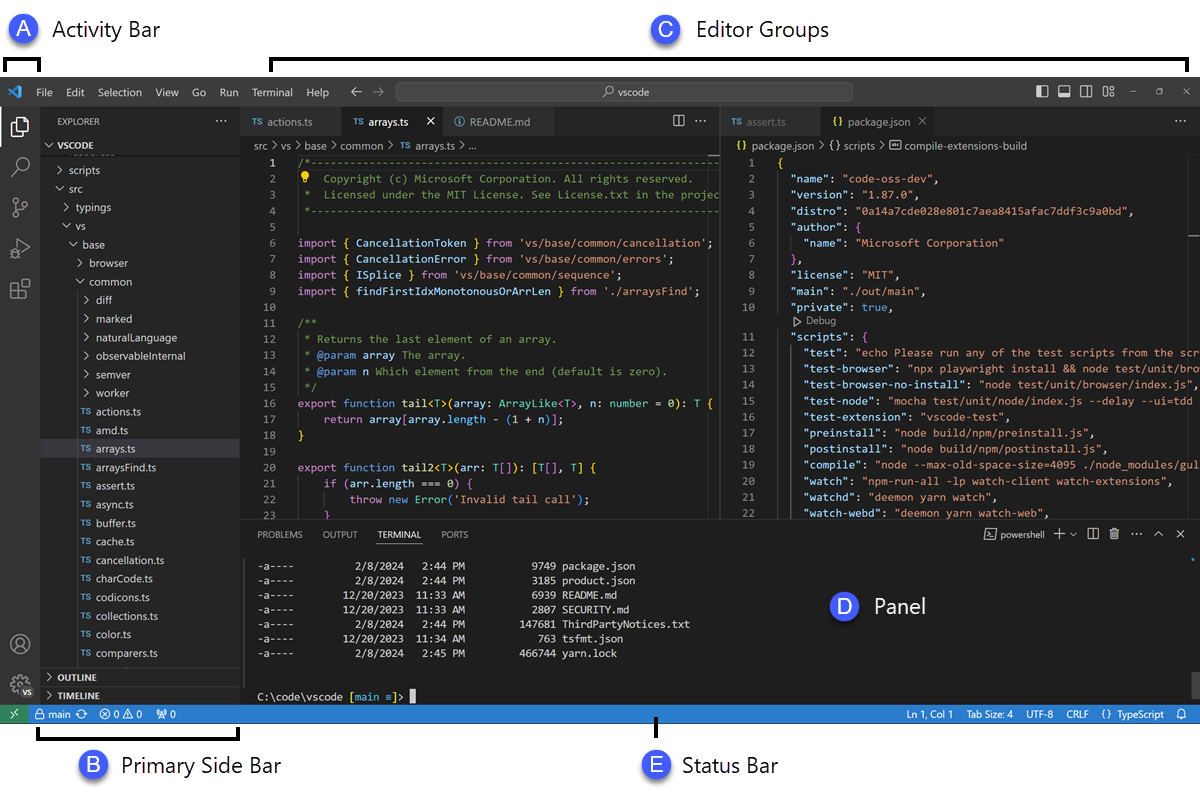
Review of Visual Studio Code
•
In-Depth Review of Visual Studio Code: Redefining Code Editing Visual Studio Code (VS Code) stands as a powerful and versatile code editor that has redefined the landscape of modern development environments. Let’s delve into the key features and functionalities that make Visual Studio Code the go-to choice for developers across…
-
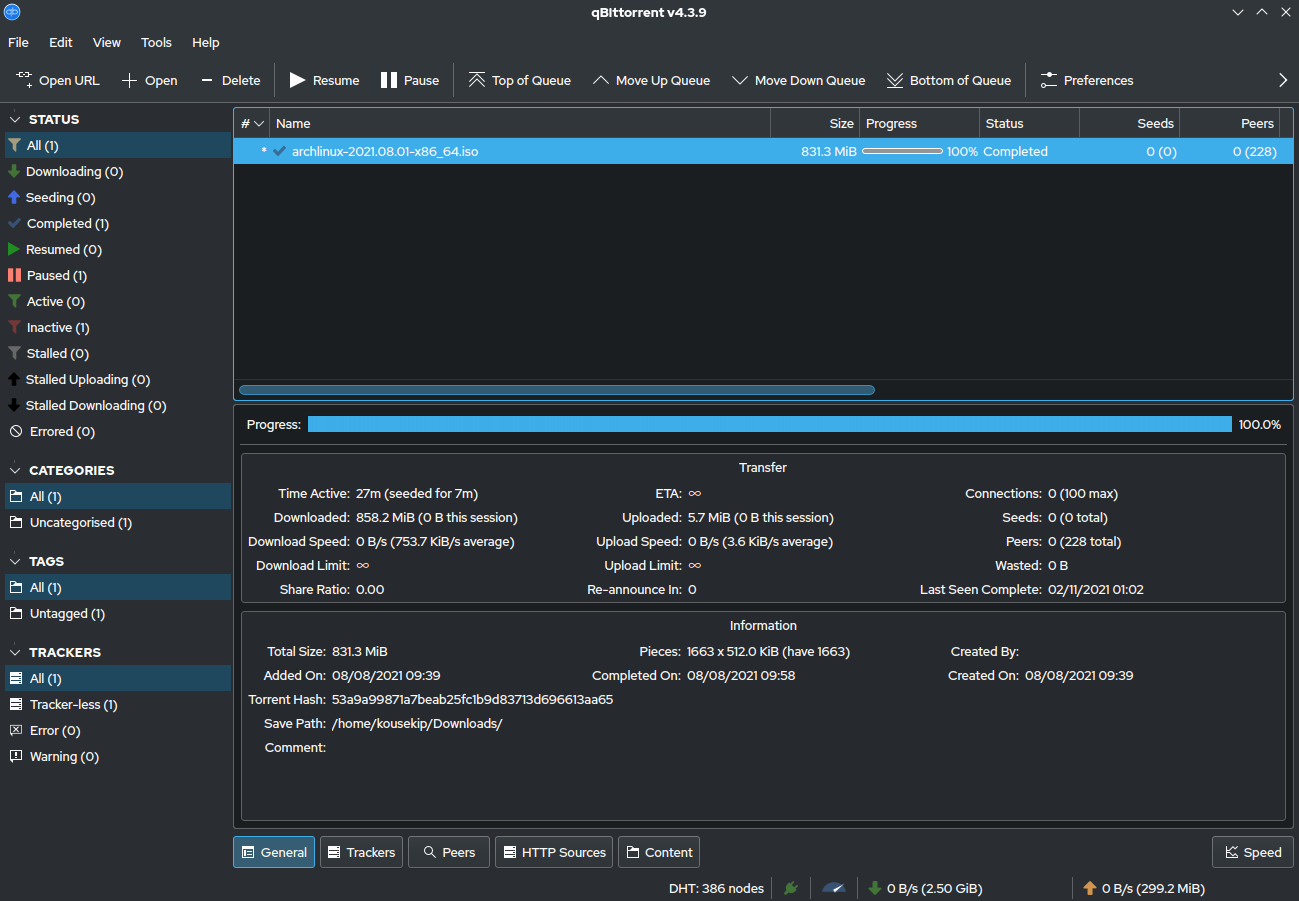
Review of qBittorrent
•
In-Depth Review of qBittorrent: Your Ultimate Torrenting Companion qBittorrent is a feature-rich and user-friendly torrent client that stands out for its simplicity, efficiency, and extensive set of functionalities. Let’s explore the key features and functionalities that make qBittorrent the ultimate torrenting companion: 1. User-Friendly Interface:qBittorrent boasts a clean and intuitive…
-

Review of SideQuest
•
In-Depth Review of SideQuest: Unlocking the Potential of Virtual Reality SideQuest is a versatile platform that expands the horizons of virtual reality (VR) by offering a range of features for Oculus Quest users and developers. Let’s explore the key features and functionalities that make SideQuest an essential companion for VR…